

Preparing for Spring Memorial Visits: What to Expect at Willowbrook Cemetery in Late April
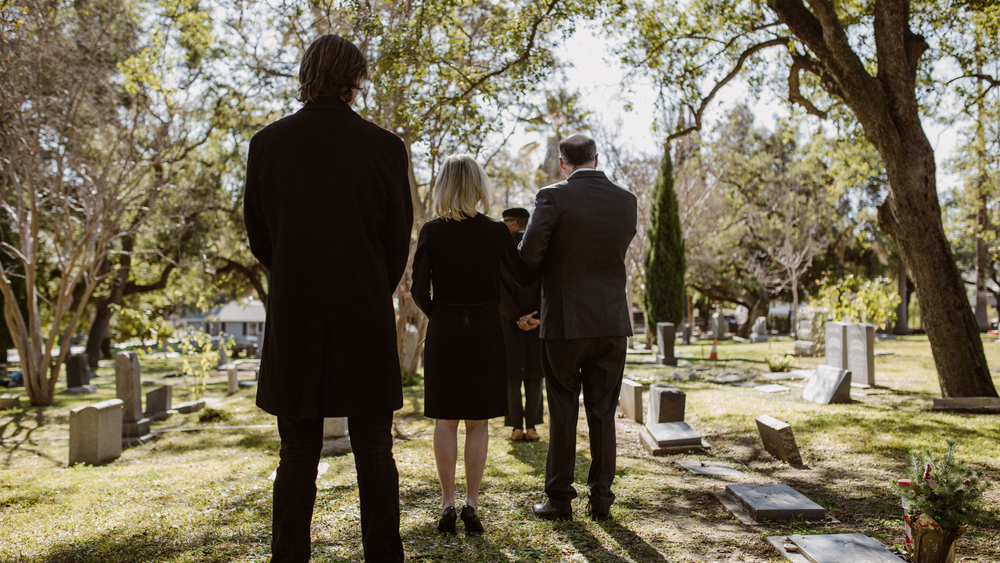
As April comes to a close, many families begin preparing for their first spring visits to loved ones resting at Willowbrook Cemetery. After a long Canadian winter, the landscape begins to shift—snow melts away, pathways reopen, and nature slowly returns to life. These visits often carry a mix of reflection, remembrance, and renewal, as families reconnect with both memory and place. Understanding what to expect during this seasonal transition can help make your visit more meaningful, comfortable, and emotionally grounding.
Spring is not only a physical change in the environment—it is also an emotional one. Many visitors notice that grief feels different in this season. The quiet heaviness of winter begins to lift, replaced with moments of softness, light, and reflection. For some, this makes visits feel more peaceful. For others, it can intensify emotions as memories become more vivid in a changing landscape. Both experiences are natural and valid.
This blog will walk you through what to expect, how to prepare, and how to make the most of a spring memorial visit during late April.
1. What the Cemetery Grounds Look Like in Late April
Late April is one of the most transitional times of the year for cemetery grounds. Winter is ending, but spring has not fully taken over. Because of this, visitors may notice a mix of conditions depending on recent weather patterns.
Changing ground conditions and seasonal transition
One of the most noticeable features of late April is the condition of the ground. Snow may still linger in shaded areas, while other sections may be fully thawed. This creates uneven terrain that can shift from dry gravel to soft, saturated soil within a few steps.
In many cases, thawing ground leads to:
- Soft or uneven walking surfaces
- Standing water in low-lying areas
- Slight sinking around grassy plots
- Areas that are still too delicate for foot traffic
Visitors should expect that not all sections of the cemetery will feel equally accessible during this time.
Early signs of spring growth
Despite the lingering effects of winter, spring begins to emerge in subtle but beautiful ways. You may notice:
- Small green shoots breaking through the soil
- Early blooming flowers such as crocuses or daffodils
- Budding trees and shrubs along pathways
- Increased bird activity and natural sound
These small changes often bring comfort to visitors, symbolizing continuity and renewal.
Ongoing maintenance and seasonal restoration
Cemetery staff are typically active during this period, focusing on restoring grounds after winter. This may include:
- Removing winter debris such as branches and leaves
- Repairing damaged turf or pathways
- Preparing landscaping for the growing season
- Checking headstones for winter-related shifting or damage
Because of this ongoing work, visitors may occasionally see maintenance crews or restricted areas.
Pathway conditions and accessibility considerations
Pathways are usually open but may not yet be fully stabilized. Gravel paths can become muddy after rainfall, and paved areas may still be affected by freeze-thaw cycles. Visitors who require mobility assistance should take extra care or consider bringing support aids such as walking sticks or wheel-friendly footwear.
2. Preparing for a Comfortable and Respectful Visit
Spring weather in Ontario is famously unpredictable. One moment may feel warm and sunny, while the next brings wind or light rain. Preparation is essential to ensure your visit is both comfortable and focused on remembrance rather than discomfort.
Dressing for layered comfort
Layering remains the most effective strategy for spring cemetery visits. A typical outfit might include:
- A breathable base layer for warmth regulation
- A sweater or fleece for insulation
- A waterproof outer layer for wind or rain protection
This allows visitors to adjust throughout their visit without being affected by sudden weather changes.
Footwear is especially important
Because ground conditions can be wet or uneven, footwear plays a major role in comfort and safety. Recommended options include:
- Waterproof boots or shoes
- Slip-resistant soles
- Closed-toe footwear for stability
Avoid light or delicate shoes, as they may not hold up well in muddy or damp conditions.
Preparing for weather variability
Spring weather can change quickly, so it helps to bring simple protective items:
- Compact umbrellas
- Light rain jackets
- Extra socks in case of wet ground
- Gloves for cooler mornings
- Even a short visit can become uncomfortable without preparation.
Timing your visit thoughtfully
Daylight hours are longer in April, but weather and visibility can still shift. Visiting earlier in the day is often recommended because:
- Grounds are less crowded
- Lighting is softer and safer for walking
- Staff are more readily available
- Weather tends to be more stable in the morning
Bringing small cleaning or care supplies
Many families take the opportunity during spring visits to gently clean headstones or surrounding areas. Helpful items may include:
- Soft cloths or microfiber towels
- A small bottle of water
- A soft brush for debris removal
- Fresh flowers or simple arrangements
Always avoid harsh chemicals or abrasive tools, as they may damage stone surfaces.
3. Honouring Loved Ones During the Spring Season
Spring naturally carries themes of renewal, making it one of the most symbolic times for remembrance. Many families find that visits during this season feel more reflective and emotionally connected.
The symbolism of spring in grief and remembrance
Spring represents rebirth, light, and continuity. For those experiencing loss, this can offer a gentle reminder that life continues in different forms. The return of color and sound to the natural world often mirrors emotional healing, even if grief is still present.
Meaningful ways to honor loved ones
There is no single way to honor someone during a spring visit. Families often choose personal and simple gestures such as:
- Bringing fresh flowers that reflect seasonal colours
- Sharing stories or memories at the gravesite
- Leaving handwritten notes or letters
- Playing a favourite song quietly during the visit
- Sitting in silence for reflection and connection
Family connection during visits
Spring visits are often shared experiences between family members. These moments can be important opportunities to:
- Reconnect with relatives
- Share memories across generations
- Introduce younger family members to family history
- Strengthen emotional bonds through shared remembrance
Nature as part of the healing process
Many visitors find comfort in observing the natural environment. Birds returning, trees budding, and flowers blooming can all serve as quiet reminders of life’s ongoing cycles. These small details often help visitors feel grounded and less isolated in their grief.
4. Understanding Cemetery Services in Spring
As winter ends, cemetery operations gradually return to full seasonal capacity. This transition can affect both services and visitor experience.
Restoration and landscaping operations
Spring is one of the busiest times for cemetery grounds teams. Their work typically includes:
- Re-establishing grass and garden areas
- Resetting soil and repairing winter damage
- Cleaning communal areas and walkways
- Preparing memorial gardens for planting
This work ensures the grounds are respectful, safe, and visually maintained throughout the year.
Seasonal amenities becoming available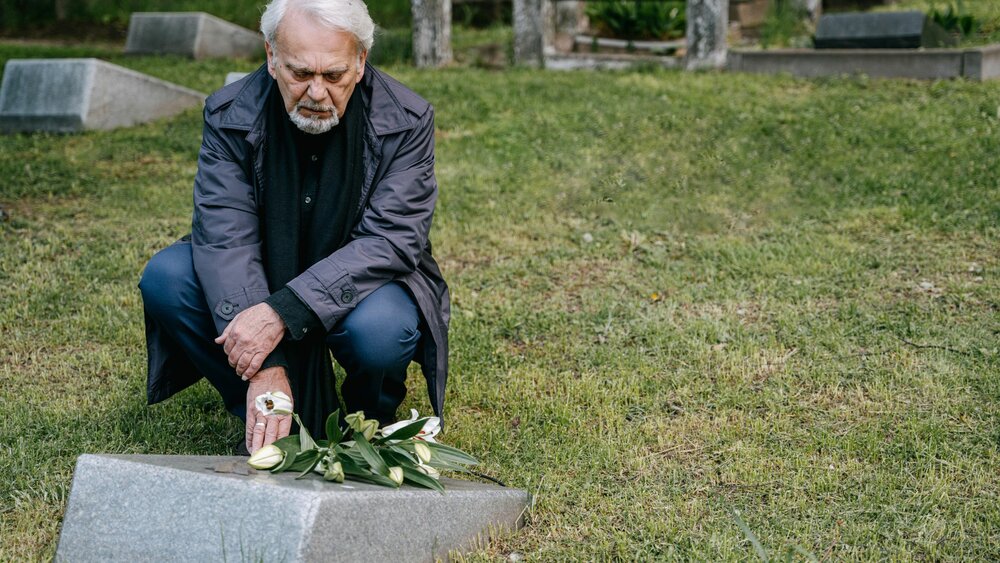
As temperatures rise, cemeteries often reopen seasonal services such as:
- Water stations for flower arrangements
- Waste and recycling bins in additional locations
- Expanded parking access in high-traffic areas
- Visitor seating or rest areas
These amenities improve comfort for families during longer visits.
Headstone care and restoration services
Spring is also a common time for families to request professional services, including:
- Headstone cleaning and restoration
- Inscription repair or refurbishment
- Grave marker adjustments after frost movement
- Landscaping enhancements around memorial plots
Staff presence and support
With improved weather, cemetery staff are typically more visible and available. This can provide reassurance for visitors who may need:
- Directions to specific plots
- Assistance locating gravesites
- Information about cemetery policies
- Support with accessibility concerns
5. Visitor Etiquette and Respectful Practices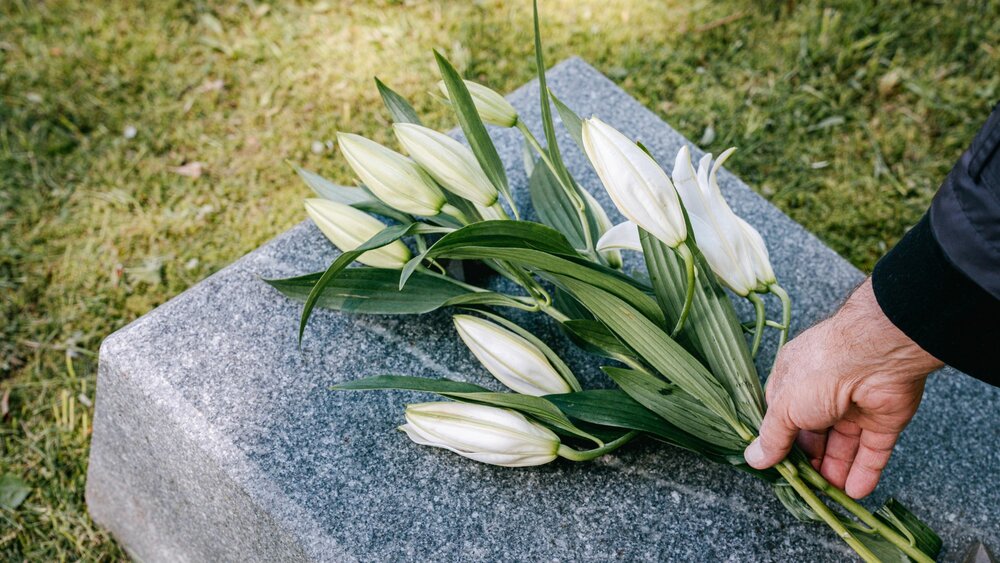
Cemeteries are shared spaces of remembrance, and respectful behaviour helps maintain their peaceful environment.
General etiquette guidelines
Visitors are encouraged to:
- Keep noise levels low
- Respect nearby grieving families
- Stay on designated paths where possible
- Avoid disturbing floral arrangements or decorations
- Supervise children at all times
Photography considerations
While photography is often allowed, it should always be done with sensitivity:
- Avoid photographing other visitors
- Focus only on permitted areas
- Keep images respectful and private
- Refrain from disruptive equipment or setups
- Decorations and seasonal items
Spring is a popular time for placing decorations. However, most cemeteries have guidelines regarding:
- Approved flower types or containers
- Seasonal removal schedules
- Restrictions on large or permanent objects
6. Supporting Emotional Wellbeing During Visits
Grief does not follow a seasonal pattern, but spring visits can sometimes bring unexpected emotional responses.
Allowing space for emotion
Visitors should feel comfortable:
- Crying or expressing emotion openly
- Taking breaks during the visit
- Leaving early if needed
- Visiting alone or with support
There is no “correct” emotional response during a memorial visit.
Grief and seasonal change
Spring can sometimes intensify grief because of its contrast with winter stillness. At the same time, it can also offer moments of comfort and hope. Both reactions are natural and often coexist.
When to seek additional support
If grief feels overwhelming, it may be helpful to connect with:
- Local grief counselling services
- Community support groups
- Funeral home aftercare programs
- Faith-based support communities
Conclusion
Visiting Willowbrook Cemetery in late April offers a meaningful balance of reflection and renewal as the landscape transitions from winter into spring. By understanding changing ground conditions, preparing for unpredictable weather, and embracing the emotional nature of the season, families can create a more peaceful and intentional memorial experience. Take time to honour your loved ones gently, allowing both memory and nature to guide your visit. For additional support or guidance, your local cemetery office or funeral service provider can offer assistance throughout the season.
Previous Posts
Honoring Loved Ones in Early Spring: Meaningful Ways to Remember at Willowbrook Cemetery
Honoring Loved Ones This Early Spring: Meaningful Ways to Remember at Willowbrook Cemetery
Marching Forward with Support: How Willowbrook Cemetery Helps Families Find Peace and Guidance
February Reflections: Taking the Second Step Toward Healing and Honoring Loved Ones at Willowbrook Cemetery
A Fresh Start in 2026: How Willowbrook Cemetery Supports Families Through Every Step
A Fresh Start Amid Grief: How Willowbrook Cemetery Supports Families Entering the New Year
A Complete Guide to Willowbrook Cemetery Services: Honoring Loved Ones with Care and Respect
Willowbrook Cemetery: Honoring History, Preserving Memories, and Planning for the Future
Honoring Loved Ones Through the Holidays: How Willowbrook Cemetery Supports Families During the Season of Remembrance
Willowbrook Cemetery: A Place of Peace, Compassion, and Care in Your Time of Need
A Living Tradition; A Timeless Tribute

Proud Member of

Comments